Your Brand, Our Robots: How White-Label OEM Lowers the Barrier to Market
Summary:How white-label OEM lets operators and entrepreneurs launch proven food robots under their own brand — skipping years of R&D while serving 200+ cups a day.
Your Brand, Our Robots: How White-Label OEM Lowers the Barrier to Market
Industry insight | September 2026
Lead — Building a food robot from scratch means years of R&D, hardware engineering, software, and certifications before you ever sell a single unit. White-label OEM removes that wall, letting operators and entrepreneurs launch proven machines under their own brand in a fraction of the time.
1. The problem: the cost of building from zero
A proprietary food robot is not a simple product. It combines precision hardware, motion control, food-grade materials, safety certifications, and software that has to survive thousands of service hours. For most companies, the engineering alone takes years and costs more than the near-term revenue can justify.
Even when the engineering succeeds, the harder work follows: building a supply chain, standing up service and maintenance, and earning the regulatory approvals to sell across markets. That is a steep wall for a first-time entrant.
2. The mechanism: white-label OEM
White-label OEM inverts the model. Instead of designing from scratch, an operator licenses a mature, field-proven machine and puts their own brand on it. The core platform — the robot's mechanics, software, and reliability — is already solved and already running in real venues.
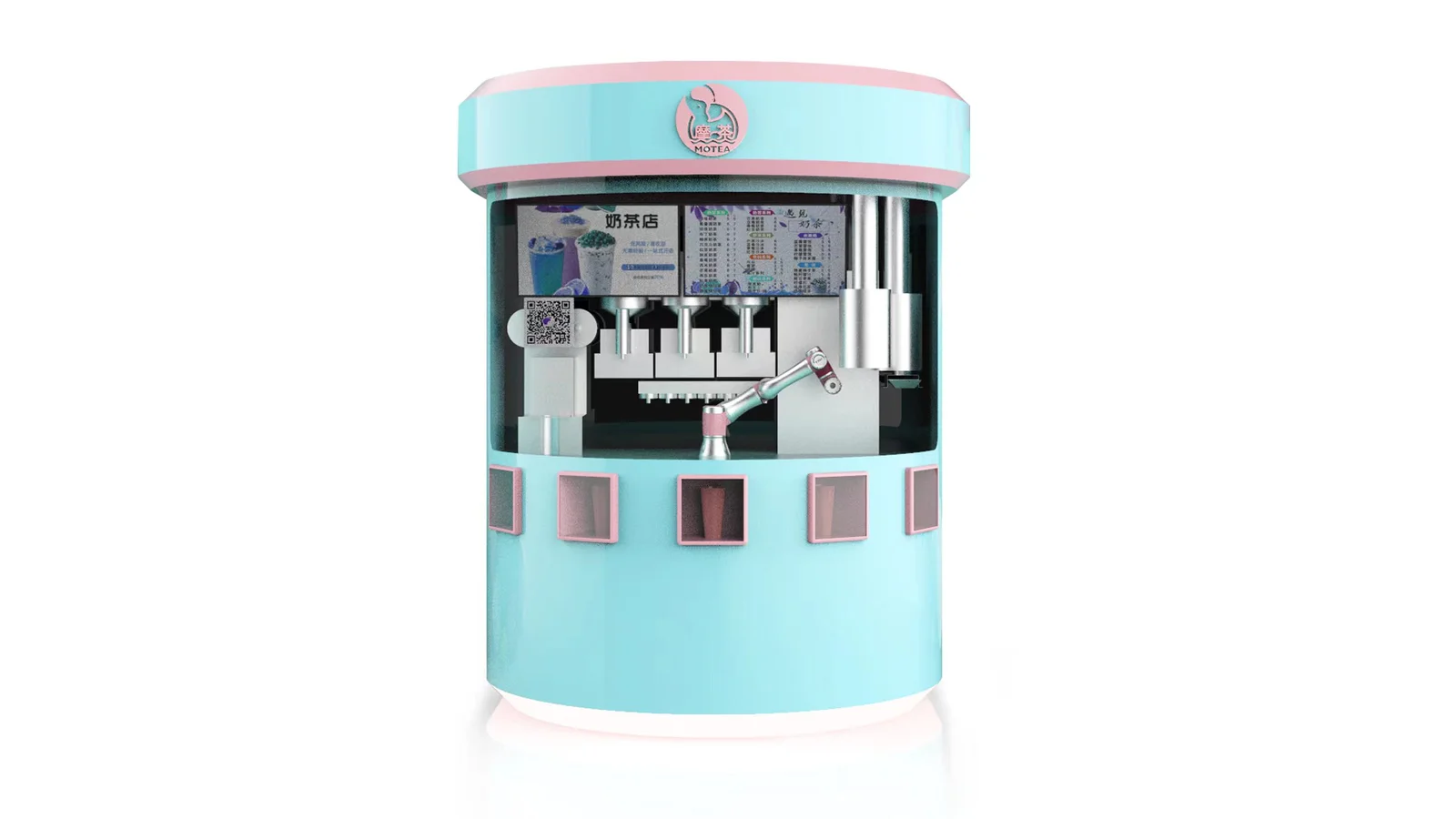
The partner's job shifts to what they do best: brand, distribution, and customer relationships. A milk tea chain, a coffee franchise, or a regional distributor can launch a robot-powered offering without becoming a robotics manufacturer.
3. The advantage: speed, focus, and lower risk
The first advantage is speed. What would take years of R&D becomes a launch measured in months. A brand can go from concept to a working, branded machine faster than a hardware startup can finish its first prototype.
The second is focus. The partner concentrates on market fit, pricing, and service, while the OEM concentrates on engineering and quality. Each side plays to its strength, and the risk is shared rather than stacked on a single team.
4. The economics: a faster path to ROI
The end customer still gets the unit economics that make food robots compelling: a machine that serves 200+ cups a day, replaces 2–3 staff on routine tasks, and typically pays for itself within 6–18 months. White-labeling does not dilute that return — it lets more players capture it.
For the OEM partner, the benefit is a lower barrier to a real business. Instead of betting on an unproven design, they are betting on execution in a market that already exists.
5. The outlook: OEM is democratizing the market
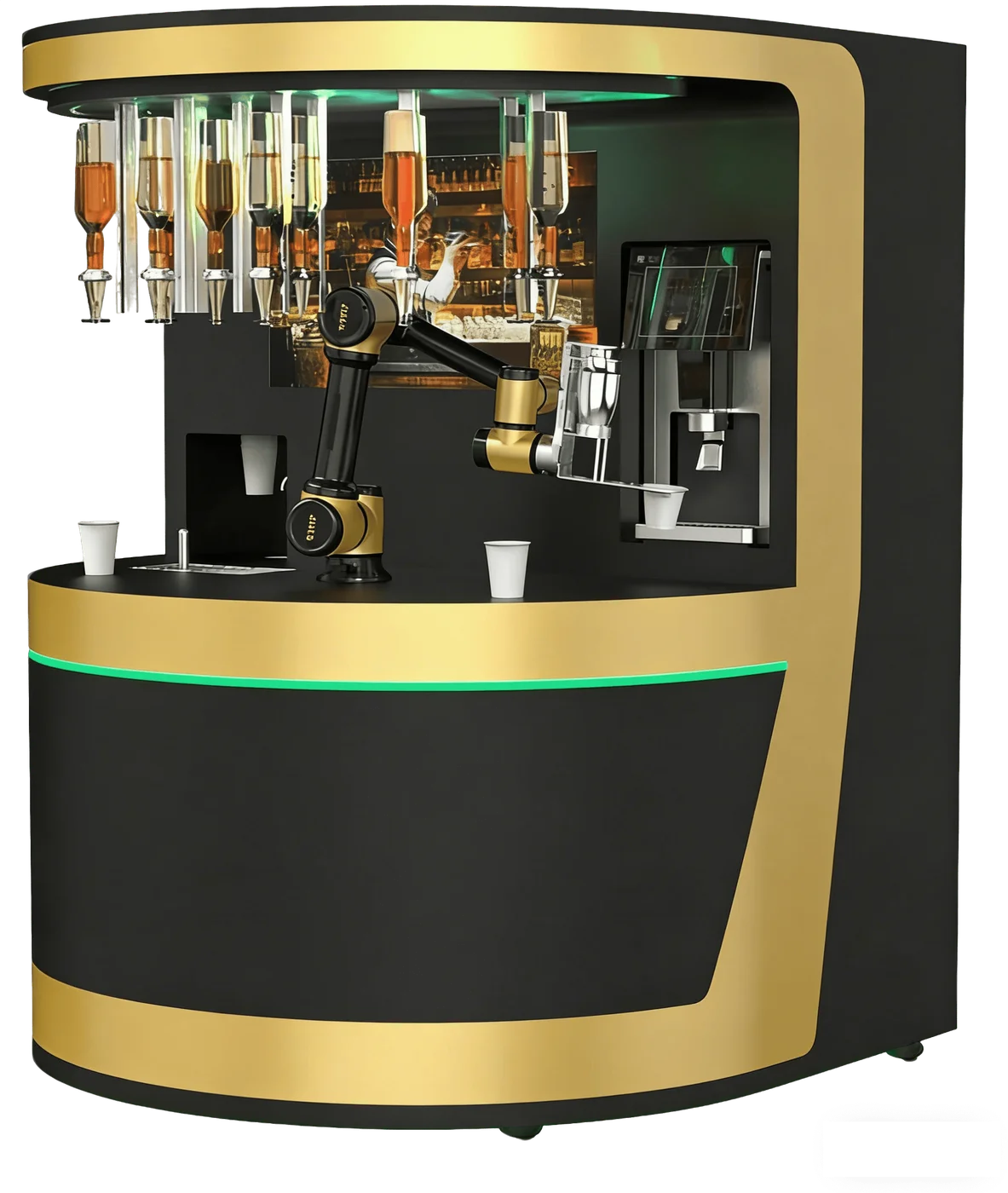
As food robots prove themselves across 40+ countries, white-label OEM is turning a hardware industry into a brand-and-distribution opportunity. The next wave of entrants will not be robotics labs — they will be food brands, franchise groups, and distributors who want to own the customer relationship without owning the factory.
The barrier to market is falling. The question is no longer "can we build it?" but "how fast can we launch it?"
(This article is an industry observation and does not constitute investment advice. Figures are drawn from public materials and company disclosures.)
Frequently Asked Questions
What products does MOTON Robotics offer?
MOTON offers intelligent robots for food and beverage automation, including the Latte Master coffee robot series (B/S/V), AI cocktail bartender, milk tea robot, ice cream robot, noodle robot, and smart fried food robot.
Where can MOTON robots be deployed?
Our robots are deployed across 40+ countries in office buildings, shopping malls, hotels, hospitals, schools, airports, gas stations, scenic spots, and industrial parks.
What is the typical ROI of a MOTON robot?
ROI typically ranges from 6–18 months depending on deployment scenario and model. For example, a B-Series coffee robot can replace 2–3 staff and produce 200+ cups daily, significantly reducing labor costs.
Does MOTON provide after-sales support?
Yes, we provide 24/7 global after-sales support including remote diagnostics, spare parts supply, and on-site technical assistance. All products include a one-year warranty.
How can I get a quote or demo?
Contact us via the website form or call +86 159 9823 3305. We offer virtual demos and on-site visits, and will customize a solution and quote based on your needs.