
Waste Less, Serve More: How Food Robots Are Building a More Sustainable Kitchen
Summary:How precision food robots cut ingredient waste and energy use while serving 200+ cups a day — turning sustainability from a cost into a measurable return.
Waste Less, Serve More: How Food Robots Are Building a More Sustainable Kitchen
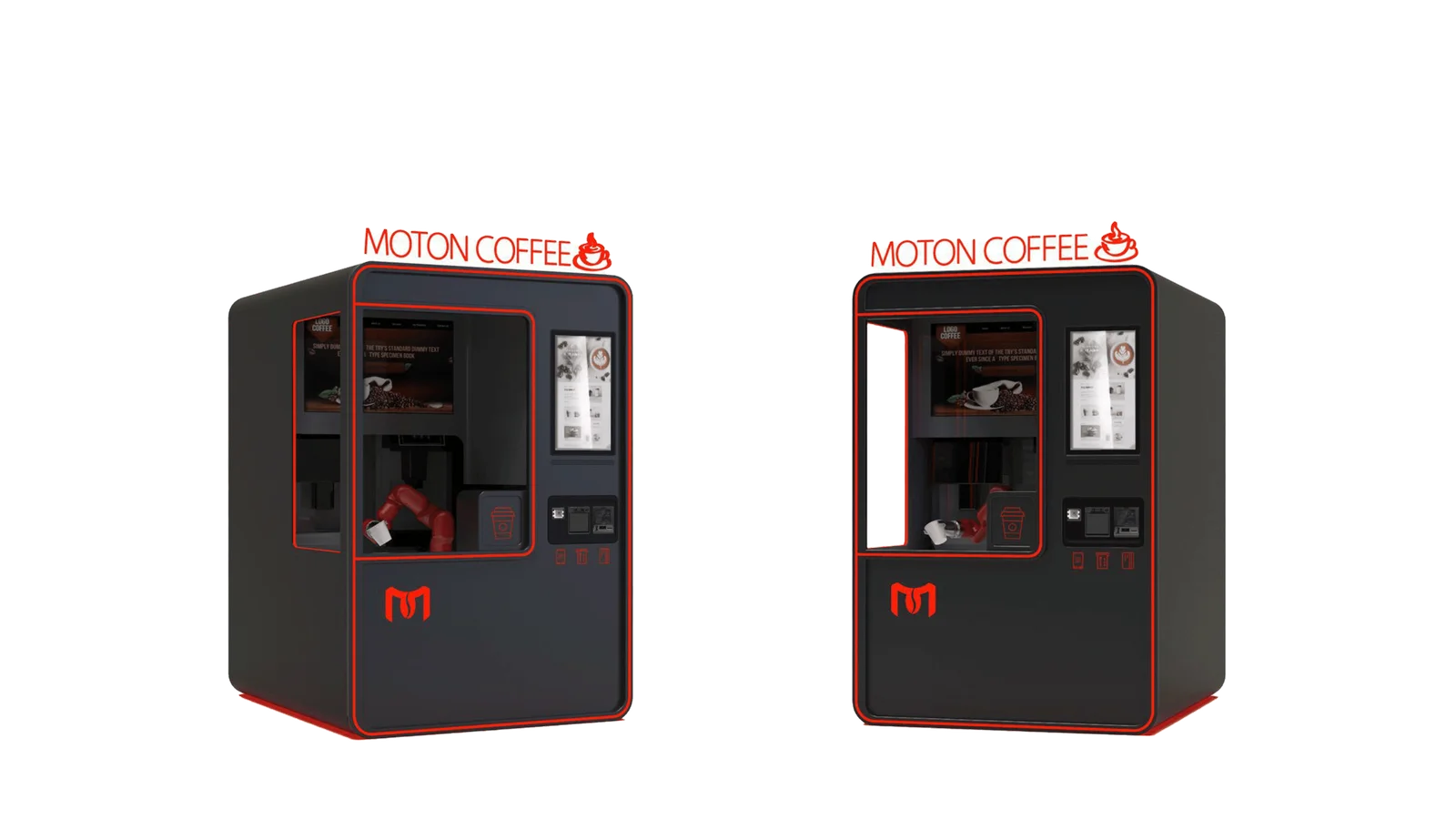
Industry insight | October 2026
Lead — Sustainability in food service is usually framed as a cost: energy bills, waste disposal, compliance. But precision automation flips that equation. The same robots that solve the labor crisis also cut waste and energy, turning sustainability into a measurable line item instead of a burden.
1. The problem: waste and energy are hidden costs
A manual kitchen leaks value in ways that rarely show up on a single invoice. Ingredients are over-portioned, drinks are remade after mistakes, and food expires before it is sold. Energy is spent keeping a full kitchen lit, heated, and powered for a full shift — even during the slow hours.
Across a year, these leaks compound into real money: higher food cost, higher utility bills, and more waste to dispose of. Sustainability is not a separate initiative; it is the same problem as profitability, viewed from the other side.
2. The mechanism: precision that eliminates waste
A food robot doses every ingredient to the gram, every cycle. There is no free-pour drift, no rushed scoop, no remake because the recipe drifted. The result is that raw material goes exactly where it is supposed to go — into the product — rather than into the bin.
That precision scales. A machine that serves 200+ cups a day with near-zero waste produces a dramatically different waste profile than the same volume made by hand. Consistency and sustainability come from the same root cause: precision.
3. Energy: run lean, on demand
An automated station draws power only when it is working, and it works without a full staffed kitchen behind it. Because the robot can operate unattended around the clock, operators can serve off-peak hours without paying to heat, light, and staff an entire kitchen for one late customer.
The energy math is quiet but real: a lean, on-demand machine replaces the overhead of a conventional setup, and the savings accrue every single day.
4. The economics: sustainability that pays for itself
The financial case is the same one that already makes food robots attractive: replacing 2–3 staff on routine tasks, with a typical payback of 6–18 months. Waste and energy reduction sit on top of that return, shortening the payback and improving margins.
In other words, the greener option is also the cheaper option to run. Operators do not have to choose between sustainability and profit — the same investment delivers both.
5. The outlook: ESG as a selling point
As consumers and corporate buyers ask harder questions about environmental impact, operators who can point to a measurable reduction in waste and energy hold a real advantage. A robot-powered kitchen is not just a productivity story — it is a sustainability story that can be quantified and told.
Food robots — already deployed in 40+ countries — are proving that the path to a leaner kitchen and a lighter footprint is the same path. Waste less, serve more.
(This article is an industry observation and does not constitute investment advice. Figures are drawn from public materials and company disclosures.)
Frequently Asked Questions
What products does MOTON Robotics offer?
MOTON offers intelligent robots for food and beverage automation, including the Latte Master coffee robot series (B/S/V), AI cocktail bartender, milk tea robot, ice cream robot, noodle robot, and smart fried food robot.
Where can MOTON robots be deployed?
Our robots are deployed across 40+ countries in office buildings, shopping malls, hotels, hospitals, schools, airports, gas stations, scenic spots, and industrial parks.
What is the typical ROI of a MOTON robot?
ROI typically ranges from 6–18 months depending on deployment scenario and model. For example, a B-Series coffee robot can replace 2–3 staff and produce 200+ cups daily, significantly reducing labor costs.
Does MOTON provide after-sales support?
Yes, we provide 24/7 global after-sales support including remote diagnostics, spare parts supply, and on-site technical assistance. All products include a one-year warranty.
How can I get a quote or demo?
Contact us via the website form or call +86 159 9823 3305. We offer virtual demos and on-site visits, and will customize a solution and quote based on your needs.