One Size Doesn't Fit All: How to Choose the Right Coffee Robot for Your Venue
Summary:The coffee robot question has changed from 'does it work?' to 'which one fits?' Here's how to match the right Latte Master — compact, standard, or high-output — to your venue.
One Size Doesn't Fit All: How to Choose the Right Coffee Robot for Your Venue
Industry insight | September 2026
Lead — The coffee robot is no longer a novelty question — it's a purchasing question. As operators move from "should we automate?" to "which machine should we buy?", the answer increasingly depends on one thing: the venue. A compact kiosk, a high-traffic airport counter, and a full-service café all need different things from a robotic barista. Choosing well means understanding the lineup — not just the technology.
1. The Question Has Changed
A few years ago, the conversation was about whether a robot could make good coffee. Today that's settled: modern latte-art robots produce 200+ cups a day with machine consistency, replacing two to three staff and reaching payback in six to eighteen months. The real question operators now ask is subtler — which robot fits my space, my volume, and my menu.
The answer is rarely one-size-fits-all. That's why the Latte Master lineup is built as a family of models, each tuned to a different operating environment.
2. The Lineup: Three Machines, Three Jobs
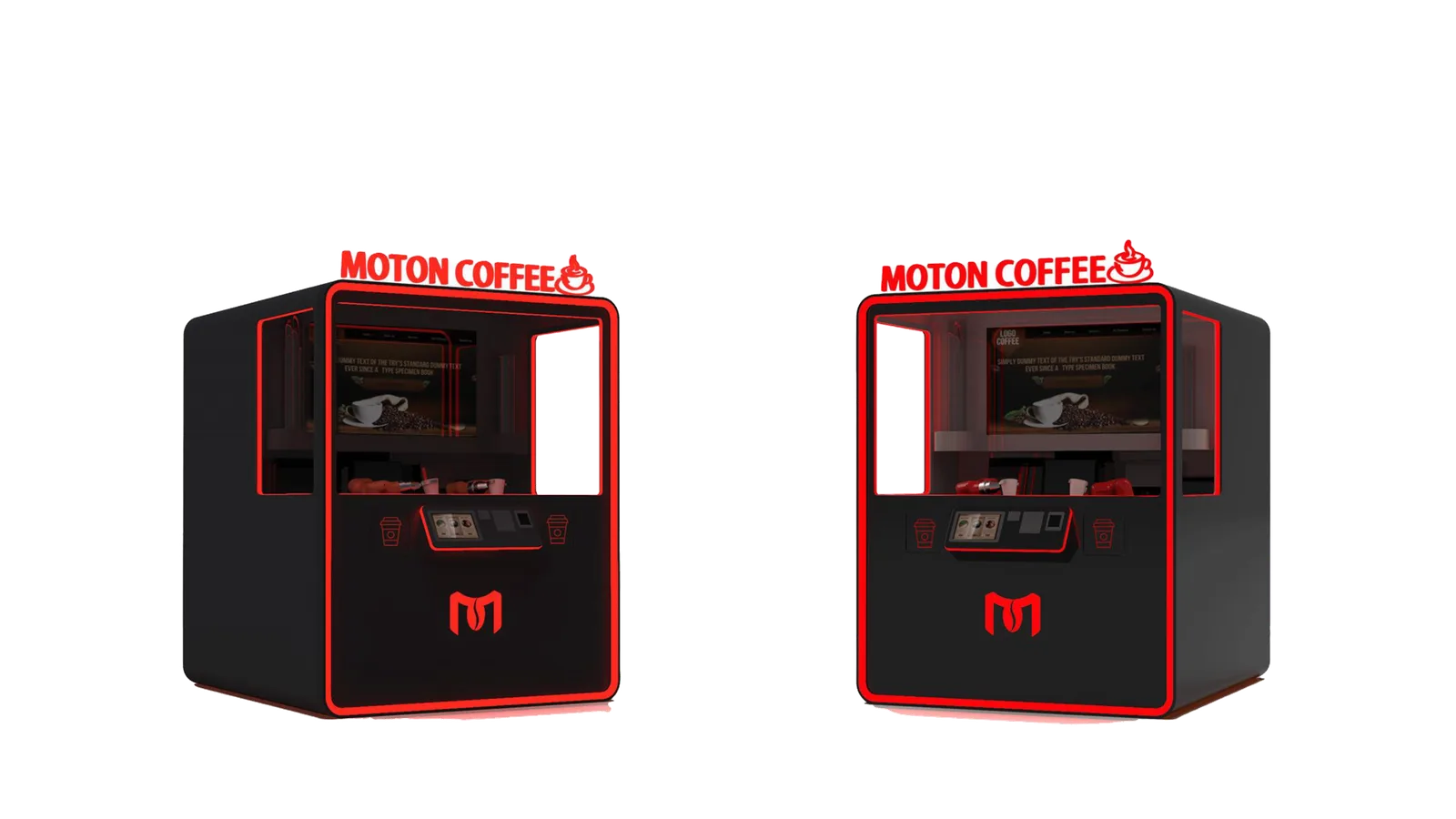
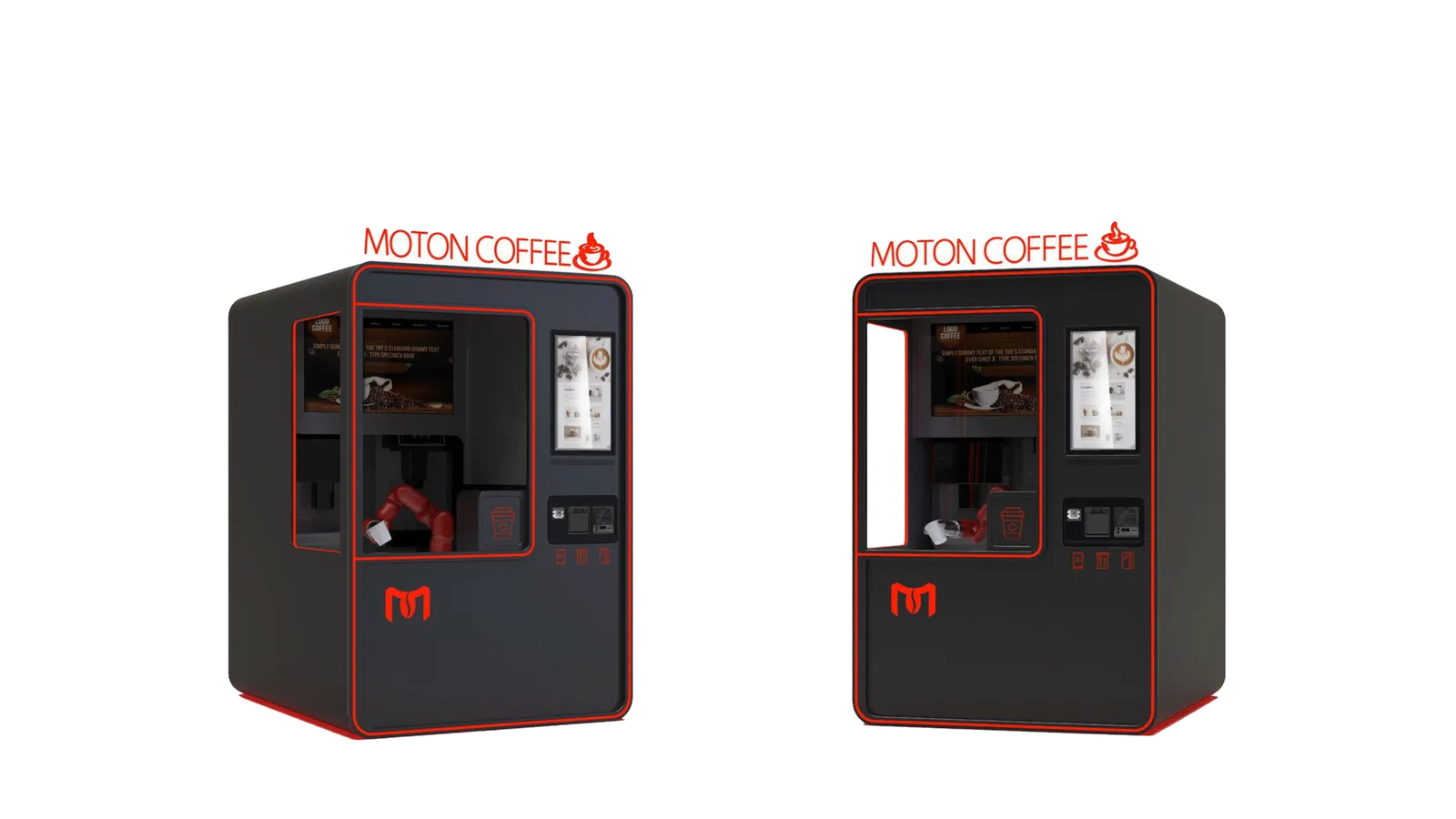
The Compact Option — MiniPro. For kiosks, convenience stores, and co-working lobbies where counter space is tight, the MiniPro single-arm robot packs full latte-art capability into a small footprint. It's built for venues that want premium coffee without dedicating a full service line to it.
The Balanced Standard — Series B. The middle option for cafés and restaurants that need dependable, consistent output across a normal service day, balancing capability with a practical footprint.
The High-Output Flagship — Dual-Arm. For airports, transit hubs, shopping malls, and peak-hour rush, the dual-arm model runs two arms in parallel — maximizing throughput in the moments when every second of a queue counts.
3. Matching the Machine to the Venue
Choosing the right model comes down to four questions operators should answer before they buy:
- Space — how much counter or floor area can you actually dedicate? Compact venues call for the MiniPro; larger footprints can host a dual-arm.
- Volume — how many cups per hour do you need at peak? High-traffic locations justify the throughput of a dual-arm system.
- Menu depth — do you need a focused espresso menu or full latte-art variety? Match the arm configuration to the menu complexity.
- Expansion — will this be one machine or the first of many? A consistent lineup makes multi-location rollout far simpler.
4. Why the Lineup Matters for Scale
For operators planning more than one location, the lineup is the real asset. A single vendor that spans compact, standard, and high-output models lets a brand deploy the right machine to each site — a MiniPro in the convenience kiosk, a dual-arm in the airport — under one service agreement and one operational playbook. That's how a pilot turns into a portfolio.
5. The Bottom Line
The coffee robot category has matured past the "does it work?" stage into the "which one fits?" stage. The winning move isn't to buy the most powerful machine — it's to buy the right machine for the venue. Across 5,000+ deployments in 40+ countries, the pattern is consistent: operators who match the model to the environment reach payback fastest and scale up smoothest.
(This article is an industry observation and does not constitute investment advice. Figures are drawn from public materials and company disclosures.)
Frequently Asked Questions
What products does MOTON Robotics offer?
MOTON offers intelligent robots for food and beverage automation, including the Latte Master coffee robot series (B/S/V), AI cocktail bartender, milk tea robot, ice cream robot, noodle robot, and smart fried food robot.
Where can MOTON robots be deployed?
Our robots are deployed across 40+ countries in office buildings, shopping malls, hotels, hospitals, schools, airports, gas stations, scenic spots, and industrial parks.
What is the typical ROI of a MOTON robot?
ROI typically ranges from 6–18 months depending on deployment scenario and model. For example, a B-Series coffee robot can replace 2–3 staff and produce 200+ cups daily, significantly reducing labor costs.
Does MOTON provide after-sales support?
Yes, we provide 24/7 global after-sales support including remote diagnostics, spare parts supply, and on-site technical assistance. All products include a one-year warranty.
How can I get a quote or demo?
Contact us via the website form or call +86 159 9823 3305. We offer virtual demos and on-site visits, and will customize a solution and quote based on your needs.