
Hygiene by Design: How Unmanned Food Robots Are Raising the Bar for Food Safety
Summary:How enclosed, contactless food robots turn hygiene from a manual compliance burden into a built-in feature — reducing contamination risk while serving 200+ cups a day.
Hygiene by Design: How Unmanned Food Robots Are Raising the Bar for Food Safety
Industry insight | September 2026
Lead — Food safety is the one risk no restaurant can afford to get wrong. A single contamination incident can close a store, trigger a recall, and destroy years of customer trust. Unmanned food robots are changing that equation — turning hygiene from a manual, error-prone duty into something engineered into the machine itself.
1. The problem: hygiene is a human-compliance problem
In a traditional kitchen, food safety depends on people following rules perfectly, every single time. Hands must be washed, surfaces sanitized, hair covered, and raw ingredients kept apart from finished products. But kitchens are busy, staff turnover is high, and one rushed shift can break the chain.
The result is a system where contamination risk is managed reactively — through inspections, checklists, and training — rather than designed out of the process. Every human touch is a potential point of failure.
2. The mechanism: contactless, enclosed preparation
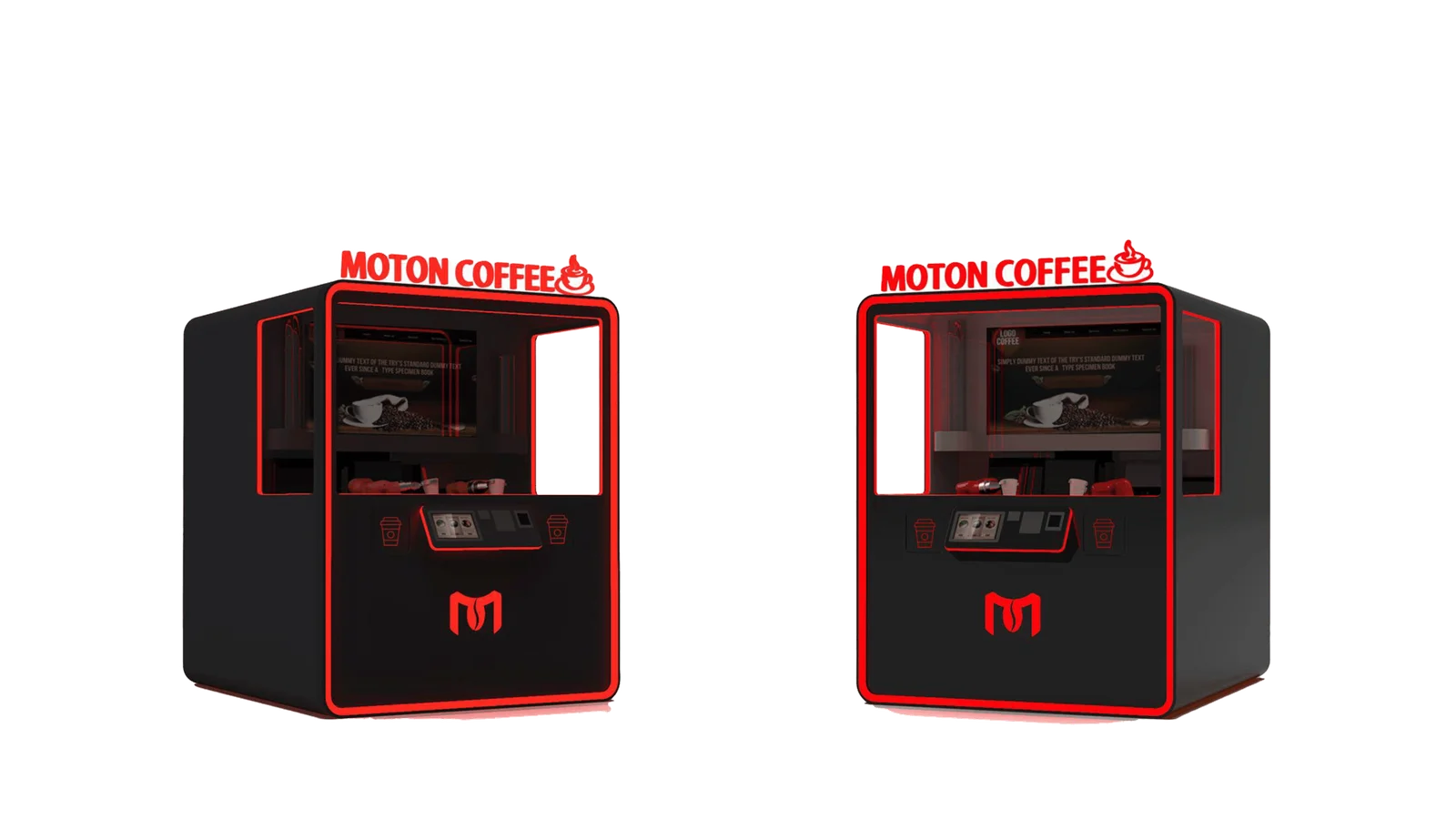
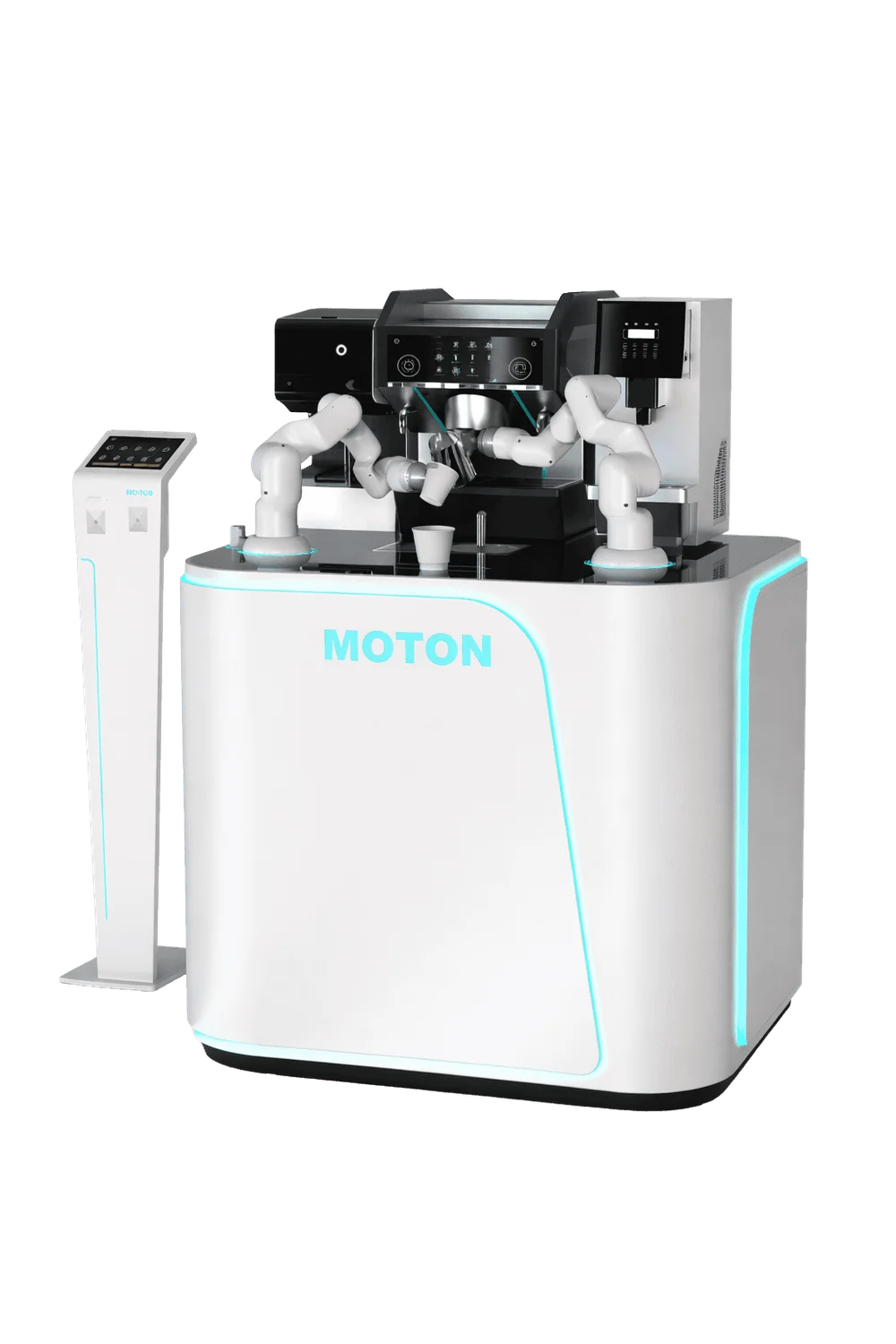
Unmanned food robots invert this model. A coffee robot, for example, prepares drinks inside a sealed chamber, handling beans, milk, and cups through automated arms rather than bare hands. The drink moves from raw ingredient to finished cup without a single human touch.
This enclosed design removes the most common contamination vectors at the source: no hands touching cups, no breathing over open ingredients, and no cross-contact between a cashier who handles money and a drink that leaves the counter.
3. Consistency that includes cleanliness
Hygiene is not just about avoiding contamination — it is about repeatability. A robot performs the same sanitized routine every cycle, 24 hours a day, without fatigue, illness, or lapses in attention. A human operator cannot match that consistency over a full shift, let alone across dozens of locations.
For multi-site operators, this is the real prize. The same food-safety standard can be deployed identically in every store, because the process is embedded in hardware rather than dependent on local hiring and training quality.
4. The economics of safety
Food-safety failures are expensive. A single incident can cost far more than a robot in lost revenue, fines, and reputational damage. Meanwhile, an unmanned food robot serves 200+ cups a day, replaces 2–3 staff on routine tasks, and typically pays for itself within 6–18 months.
The hygiene benefit is not a luxury add-on — it is built into that same ROI. Operators get labor savings, throughput, and a safer operation in a single investment.
5. The outlook: safety as a competitive moat
As regulators tighten food-safety requirements and consumers grow more health-conscious, operators who can prove a contactless, traceable process will hold a structural advantage. Unmanned food robots — already deployed in 40+ countries — are becoming not just a labor solution, but hygiene infrastructure.
The shift is clear: the kitchens that win the next decade will treat food safety as a design feature, not a compliance chore. The robots are already doing exactly that.
(This article is an industry observation and does not constitute investment advice. Figures are drawn from public materials and company disclosures.)
Frequently Asked Questions
What products does MOTON Robotics offer?
MOTON offers intelligent robots for food and beverage automation, including the Latte Master coffee robot series (B/S/V), AI cocktail bartender, milk tea robot, ice cream robot, noodle robot, and smart fried food robot.
Where can MOTON robots be deployed?
Our robots are deployed across 40+ countries in office buildings, shopping malls, hotels, hospitals, schools, airports, gas stations, scenic spots, and industrial parks.
What is the typical ROI of a MOTON robot?
ROI typically ranges from 6–18 months depending on deployment scenario and model. For example, a B-Series coffee robot can replace 2–3 staff and produce 200+ cups daily, significantly reducing labor costs.
Does MOTON provide after-sales support?
Yes, we provide 24/7 global after-sales support including remote diagnostics, spare parts supply, and on-site technical assistance. All products include a one-year warranty.
How can I get a quote or demo?
Contact us via the website form or call +86 159 9823 3305. We offer virtual demos and on-site visits, and will customize a solution and quote based on your needs.