From Beverages to Hot Food: Robots Are Automating the Kitchen's Final Frontier
Summary:Drink robots have matured. The next frontier is hot food — frying, the hardest, hottest, and most labor-heavy task in the kitchen. Here's how food robots are bringing consistency and safety to the final frontier.
From Beverages to Hot Food: Robots Are Automating the Kitchen's Final Frontier
Industry insight | August 2026
Lead — Food-service automation has already conquered the drink counter: coffee, milk tea, cocktails, and ice cream now flow from robotic arms with machine consistency. But the hardest part of the kitchen has held out — hot food, and above all frying, the high-heat, labor-intensive task that has defined fast food for decades. That final frontier is now falling to a new class of food robot.
1. Drinks Were the Easy Part
Over the past few years, robotic baristas and tea machines have proven that beverage preparation can be fully automated. The recipes are bounded, the ingredients are liquid, and the output is measurable. Coffee and milk tea robots can run 24/7, produce 200+ cups a day, and replace two to three staff — a story the industry now treats as settled.
Hot food is different. It involves raw ingredients, precise timing, high temperatures, and a margin for error measured in seconds. That's why, until recently, the kitchen's back line stayed human.
2. Why Frying Is the Kitchen's Hardest Task
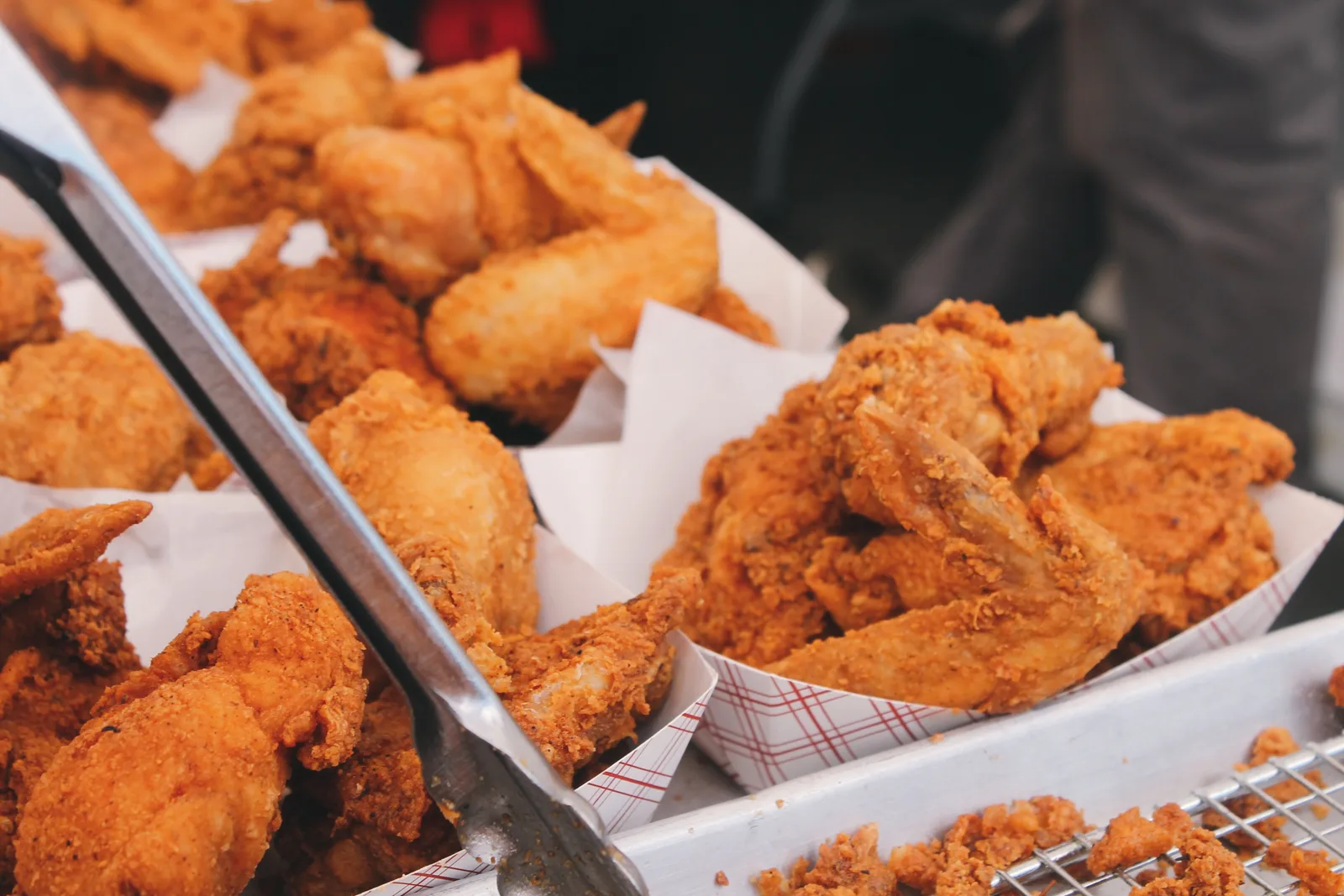
Frying sits at the top of the difficulty curve. Oil at 180°C demands constant attention; a few seconds too long means a ruined batch, and a lapse in temperature control means inconsistent texture and taste. Add the physical strain of working over hot oil, the difficulty of hiring and retaining fry cooks, and the food-safety risks of manual handling — and you have the single most labor-heavy, least standardized step in fast food.
For operators, these are not abstract problems. They show up as rising labor costs, inconsistent portions, and a back line that can't scale past its busiest hour.
3. The Smart Fried Food Robot: Precision Under Heat
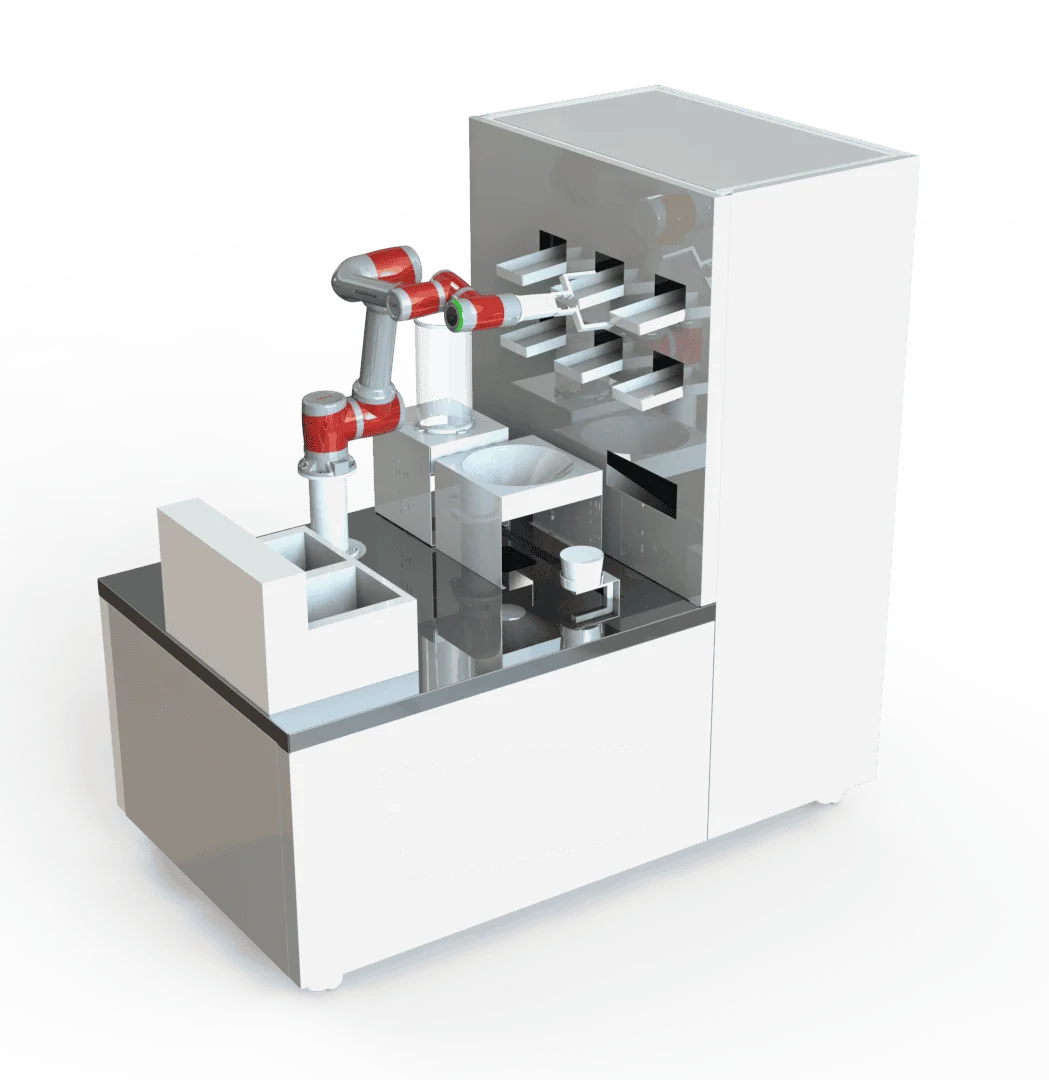
The answer is a robot built for exactly this environment. A smart fried food robot manages temperature, timing, and batch handling automatically — removing the human from the hot-oil line while keeping the output consistent. The machine monitors the oil and the cook cycle in real time, so every batch comes out to the same standard, whether it's the first order of the day or the hundredth.
Crucially, it doesn't just cook — it replaces the most dangerous and least desirable job in the kitchen, which is precisely the role operators struggle to fill.
4. Consistency, Safety, and 24/7 Throughput
The business case for automated frying rests on three pillars. Consistency — machine control eliminates the variation that comes with human cooks, protecting brand quality across multiple stores. Safety — removing staff from hot-oil handling reduces burns, spills, and food-contamination risk, a priority for any brand operating at scale. Throughput — an unattended fry station keeps producing through off-peak and overnight hours, turning the back line into a 24/7 asset instead of a bottleneck.
The economics echo the rest of the automation story: a machine that replaces two to three staff and reaches payback in six to eighteen months, consistent with the figures MOTON Robotics reports across 5,000+ deployments in 40+ countries.
5. Completing the Full-Menu Automation Puzzle
The bigger picture is that hot food completes the automation matrix. Operators who started with a coffee robot now have a path to automate the entire menu — beverages, desserts, and hot food — under one vendor and one operational model. A multi-category line that spans coffee, milk tea, ice cream, noodles, and fried food turns a single unattended storefront into a full automated kitchen.
That's what makes the fried food robot more than a niche machine. It's the missing piece that lets operators automate the whole menu — and the last argument against full unattended operation finally goes quiet.
(This article is an industry observation and does not constitute investment advice. Figures are drawn from public materials and company disclosures.)
Frequently Asked Questions
What products does MOTON Robotics offer?
MOTON offers intelligent robots for food and beverage automation, including the Latte Master coffee robot series (B/S/V), AI cocktail bartender, milk tea robot, ice cream robot, noodle robot, and smart fried food robot.
Where can MOTON robots be deployed?
Our robots are deployed across 40+ countries in office buildings, shopping malls, hotels, hospitals, schools, airports, gas stations, scenic spots, and industrial parks.
What is the typical ROI of a MOTON robot?
ROI typically ranges from 6–18 months depending on deployment scenario and model. For example, a B-Series coffee robot can replace 2–3 staff and produce 200+ cups daily, significantly reducing labor costs.
Does MOTON provide after-sales support?
Yes, we provide 24/7 global after-sales support including remote diagnostics, spare parts supply, and on-site technical assistance. All products include a one-year warranty.
How can I get a quote or demo?
Contact us via the website form or call +86 159 9823 3305. We offer virtual demos and on-site visits, and will customize a solution and quote based on your needs.